



What is WLAN / Wi-Fi?
WLAN stands for “Wireless Local Area Network,” which is used to establish local wireless coverage. Unlike traditional wired networks, laptops, smartphones, and tablets connect with one another via radio waves. In daily life, Wi-Fi is commonly used as a synonym for WLAN.
Today, accessing Wi-Fi in public places like hotels, restaurants, and libraries is taken for granted, while at home, it has become indispensable. Wireless networks not only eliminate cumbersome wiring restrictions but also deliver higher transmission bandwidth at lower costs.
What Frequencies Does Wi-Fi Use, and What Kind of Radiation Does It Emit?
Currently, regulatory authorities have allocated two license-free frequency bands within the “Industrial, Scientific, and Medical (ISM) spectrum” for Wi-Fi usage (2.4 GHz and 5 GHz, respectively). Wi-Fi utilizes pulsed high-frequency signals. This means the signal is not continuous; instead, it rapidly switches on and off at a specific rhythm to transmit small data packets to receiving devices within range—commonly referred to as “Wi-Fi radiation.”
According to guidelines from the German Federal Office for Radiation Protection (BfS), standard power limits for Wi-Fi and Bluetooth are as follows:
2.4 GHz band: Maximum allowable transmission power of 100 mW
5.15 to 5.35 GHz band (indoor use only): Maximum allowable transmission power of 200 mW
5.470 to 5.725 GHz band: Maximum allowable transmission power of 1,000 mW (Frequencies above 5.25 GHz require Automatic Transmit Power Control; otherwise, maximum power must be reduced by 50%)
Standard Wi-Fi equipment typically offers a coverage range between 25 meters indoors and 150 meters outdoors. When paired with directional antennas, transmission distances can extend several kilometers, enabling Wi-Fi signals to effortlessly penetrate walls and cover entire buildings.
Are Government Protection Standards Really Enough?
Internationally, the Specific Absorption Rate (SAR) value is widely adopted as the physical benchmark to measure electromagnetic fields absorbed by the human body. However, existing safety limits primarily focus on the “thermal effects” (body heating) caused by electromagnetic waves:
Whole-body average safety recommendation: 0.08 W/kg
Localized (e.g., head or torso): 2 W/kg
Official agencies note that SAR values usually remain below limits as long as an appropriate distance is maintained from wireless devices. However, a crucial question remains: current safety limits do not account for “non-thermal effects”—such as the potential long-term impacts of continuous, low-level radiation exposure on cellular genes, sleep quality, and the nervous system.
What Precautionary Steps Should We Take?
The German Federal Office for Radiation Protection (BfS) advises the public to adopt precautionary principles to minimize potential health risks:
Maintain Physical Distance: Follow the minimum distance recommended by device manufacturers, and avoid placing laptops directly on your lap for extended periods.
Prioritize Wired Networks: Opt for Ethernet cables over Wi-Fi whenever possible at fixed workstations or home setups.
Keep Away from Resting Areas: Avoid installing Wi-Fi routers near bedheads or areas where family members spend prolonged periods.
While Wi-Fi brings undeniable modern convenience, completely distancing oneself from it is nearly impossible. Even if you switch off your Wi-Fi at home, simply opening your phone’s network list reveals a dense menu of available signals—a stark reminder that neighbors’ Wi-Fi networks and street-level hotspots seamlessly penetrate walls and flood your living space.
This is precisely why, alongside adjusting daily habits, an increasing number of individuals are turning to comprehensive, passive protection solutions like VIVOBASE radiation protection products to build a genuinely reassuring home environment without compromising network connectivity.
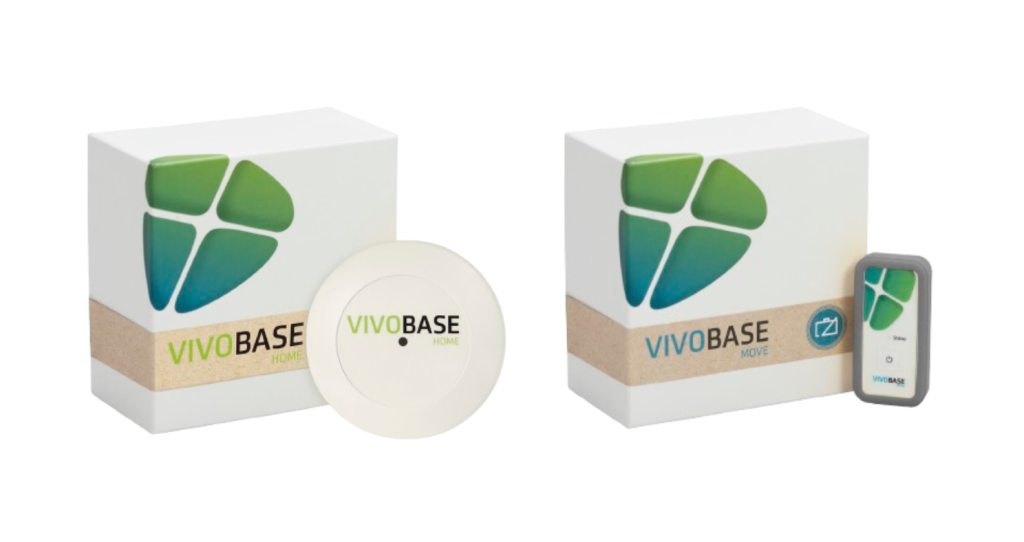
Interested in purchasing VIVOBASE (HOME / MOBILE) to create a radiation-free living environment? Contact our customer service team anytime via WhatsApp at +852 9203 1788.