



What is Smartphone Radiation?
What Exactly is Smartphone Radiation? Smartphones have long become an indispensable part of our daily lives. While they offer immense convenience, experts point out that they are not entirely risk-free. How much radiation does a smartphone actually emit? Is smartphone radiation truly harmful to the human body? And how can we effectively prevent potential risks? This article provides you with comprehensive information regarding smartphone radiation.
What Types of Radiation Do Smartphones Emit?
Electromagnetic Fields (EMF): As electronic devices, smartphones naturally emit electromagnetic radiation, adding to the surrounding “electrosmog.”
High-Frequency Electromagnetic Radio Waves: Smartphones must connect to the nearest mobile cell tower via high-frequency radio waves. This encompasses various communication standards: GSM, UMTS, LTE, and the increasingly prevalent 5G technology. Radio waves—commonly referred to as “mobile phone radiation”—are emitted particularly during phone calls.
Wi-Fi Radiation: Smartphones typically connect to Wi-Fi networks as well, increasing Wi-Fi radiation exposure during active use.
As smartphone adoption grows, so does the demand for strong signals and reliable networks, prompting telecom providers to build an ever-increasing number of mobile cell towers. Under 5G networks, the density of these base stations will increase significantly because high-frequency 5G signals have a shorter coverage range than traditional communication standards—the higher the frequency, the shorter the transmission distance.
The required density of cell towers also depends on population density and usage frequency: the more people connected simultaneously, the denser the network infrastructure must be. This is precisely why smartphone radiation levels are noticeably higher in metropolitan areas than in rural regions.
When is Smartphone Radiation the Strongest?
Smartphone radiation is strongest during active use, reaching its peak levels when establishing a connection. Therefore, it is recommended to wait until the call connects and rings before placing the phone against your ear, significantly reducing radiation exposure.
Furthermore, when network reception is poor and the phone operates at full power to maintain a connection, radiation output spikes dramatically. It is best to avoid lengthy phone calls in areas with weak signal reception. Even when you are not actively using your phone, ambient radiation levels in major cities remain high. A smartphone’s SAR (Specific Absorption Rate) value is also a critical metric—the higher the SAR value, the stronger the radiation produced. When purchasing a new device, it is advisable to prioritize models with lower SAR values.
Special Reminder: Do Anti-Radiation Stickers Really Work?
Commercially available anti-radiation stickers claiming to block smartphone radiation may actually aggravate the issue. While these stickers can absorb or block a portion of the radiation, they simultaneously cause poorer signal reception. To maintain communication, the smartphone automatically increases its output power, emitting even stronger radiation.
Therefore, VIVOBASE adopts an entirely different technological approach: rather than attempting to block or forcibly absorb radiation, our technology lowers the conductive effect of the human body acting as a “receiving antenna,” fundamentally reducing the body’s absorption of electromagnetic waves.
How Does Smartphone Radiation Affect Humans and Animals?
Whether smartphone radiation causes adverse effects on humans, animals, and plants remains a subject of ongoing scientific debate. While some studies and experts suggest that smartphone radiation is harmless to biological organisms, numerous other studies point to varying degrees of biological interference. Here is an overview of current research:
Latest Findings from the German Federal Office for Radiation Protection (BfS): In late 2024, the BfS published three comprehensive studies evaluating high-frequency electromagnetic radiation and its impact on cancer risks, oxidative stress, and cognitive functions. Researchers concluded that smartphone radiation showed no evidence of increasing health risks. However, the study authors acknowledged that many past studies suffered from serious “methodological flaws,” emphasizing that further high-quality research is needed to confirm these findings and fully clarify the actual health impacts of smartphone radiation.
World Health Organization & CERENAT Study: As early as 2011, the World Health Organization classified mobile phone radiation frequencies as “possibly carcinogenic to humans” (Group 2B). The CERENAT epidemiological study conducted in France drew widespread attention by exploring the link between smartphone use and brain tumor risks. Its core finding revealed an increased risk of developing tumors among heavy smartphone users (those with at least 15 hours of call time per month over a five-year period).
The contrasting results from these two authoritative bodies demonstrate that the scientific community has yet to reach a unified conclusion on whether smartphone radiation poses long-term negative health effects, warranting continued in-depth research.
How to Reduce Daily and Outdoor Exposure to Smartphone Radiation?
If you wish to enjoy the convenience of modern technology while minimizing potential risks from smartphone radiation, the following practical tips can help reduce your daily exposure:
Avoid Prolonged Calls: Keep call durations short, or use earphones / hands-free speakers during extended conversations. In fact, nearly all smartphone manufacturers include this recommendation in their user manuals to ensure products comply with EU safety limits.
Keep It Brief When Signal is Poor: When reception is weak, smartphones increase their transmission power; keep conversations concise.
Maintain Physical Distance: Avoid carrying your phone in trouser pockets or directly against your body; placing it in a handbag or backpack is ideal. The greater the distance from your body, the lower the radiation impact.
Keep Distant from Your Bed at Night: Place your phone away from your bedhead while sleeping, or simply switch to “Airplane Mode.”
VIVOBASE Tech Protection: By generating a specific frequency field, VIVOBASE mitigates the conductive effect of the human body absorbing electromagnetic waves without affecting your smartphone’s signal. Available in HOME and MOVE models, offering seamless day and night protection.
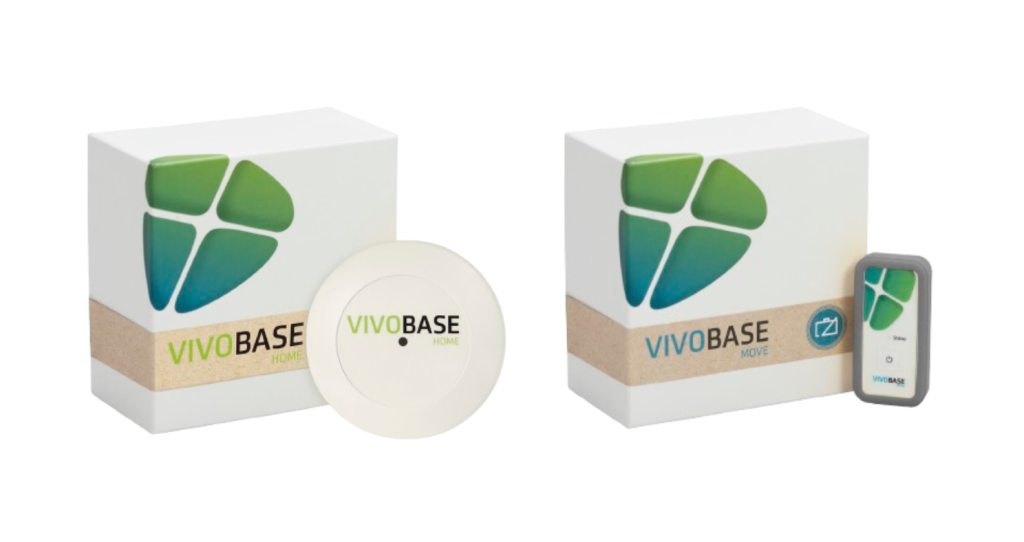
Interested in purchasing VIVOBASE (HOME / MOVE) to create a radiation-free living environment? Contact our customer service team anytime via WhatsApp at +852 9203 1788.